

Before You Begin / About the Book
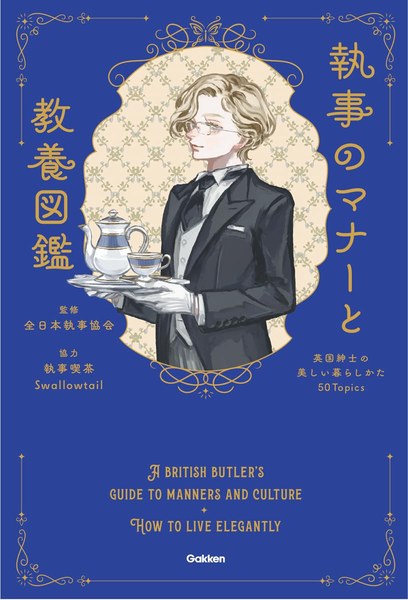
執事のマナーと教養図鑑 (A British Butler's Guide to Manners and Culture) is an illustrated reference book in which readers can study a butler's clothing and bearing, as well as the culture of those they serve, one topic at a time. It was produced under the supervision of the All Japan Butler Association, with the cooperation of Butler Café Swallowtail in Ikebukuro, Tokyo.
A common difficulty when learning etiquette is memorising rules without understanding their reasons. The book follows a butler's work through clothing, conduct, tools and culture. This sequence makes it easier to connect each form of etiquette with the setting in which it is used and the purpose it serves.
The material is organised into four chapters, followed by a closing feature on Swallowtail. It serves as an introductory volume for readers who want to understand formal dress, develop their bearing for hospitality and service work, or begin learning about the butler profession.
Title | 執事のマナーと教養図鑑 (A British Butler's Guide to Manners and Culture) |
|---|---|
Supervised by | All Japan Butler Association |
In cooperation with | Butler Café Swallowtail |
Illustrations | Momoe Tsutsui, omiso |
Publisher | Gakken |
Release date | 17 September 2026 |
Format | Tankōbon, 144 pages |
Price | JPY 1,870 (including tax) |
ISBN | 978-4-05-802760-8 |
Chapter 1: The History of Butlers and Dress Etiquette / History & Dress
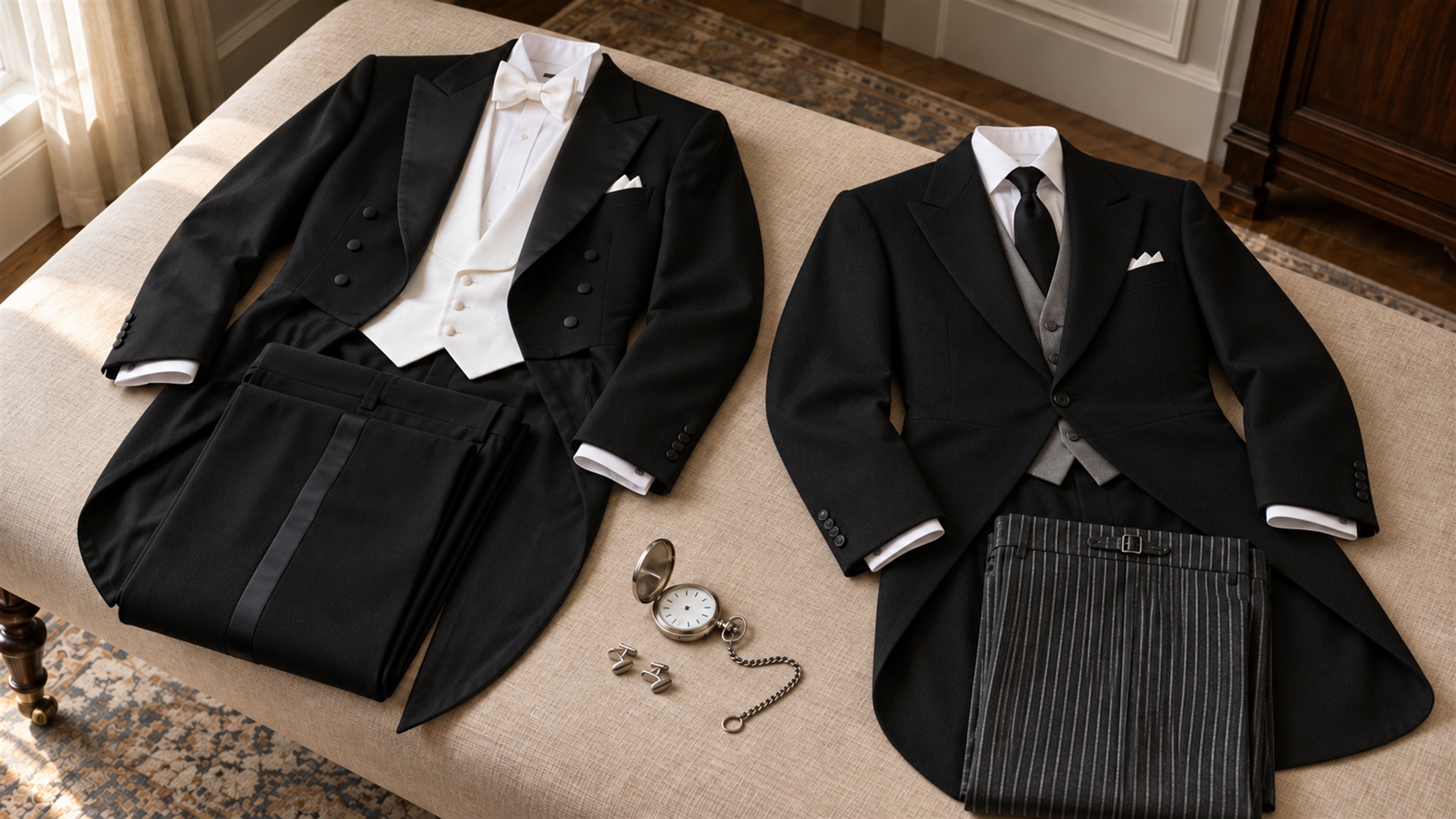
Chapter 1 focuses on a butler's dress. It opens by asking why black is used for butler clothing.
The host and guests take centre stage, while the butler's role is to arrange the setting without drawing attention. Black maintains a composed impression and expresses that role. Recognising that the colour of the clothing has a purpose makes it possible to learn dress etiquette through reason rather than memorisation.
Four garments and their times of day
The chapter covers the morning coat, dinner jacket, tailcoat and Chesterfield coat.
As a learning sequence, it is easier to organise the subject by starting with the two outfits shown on the sample pages. The morning coat is formal dress from morning until evening, with a black or grey coat paired with grey striped trousers. The tailcoat is the most formal evening dress and is paired with a white waistcoat and white bow tie.
Handling accessories
Types of pocket watch and how to use them are included as individual topics, as are cufflinks. Accessories at the hands readily catch another person's eye, and the way they are handled can change an impression. This is a valuable final stage in learning how to complete one's appearance.
Chapter 2: Graceful Conduct and Care Techniques / Conduct & Care
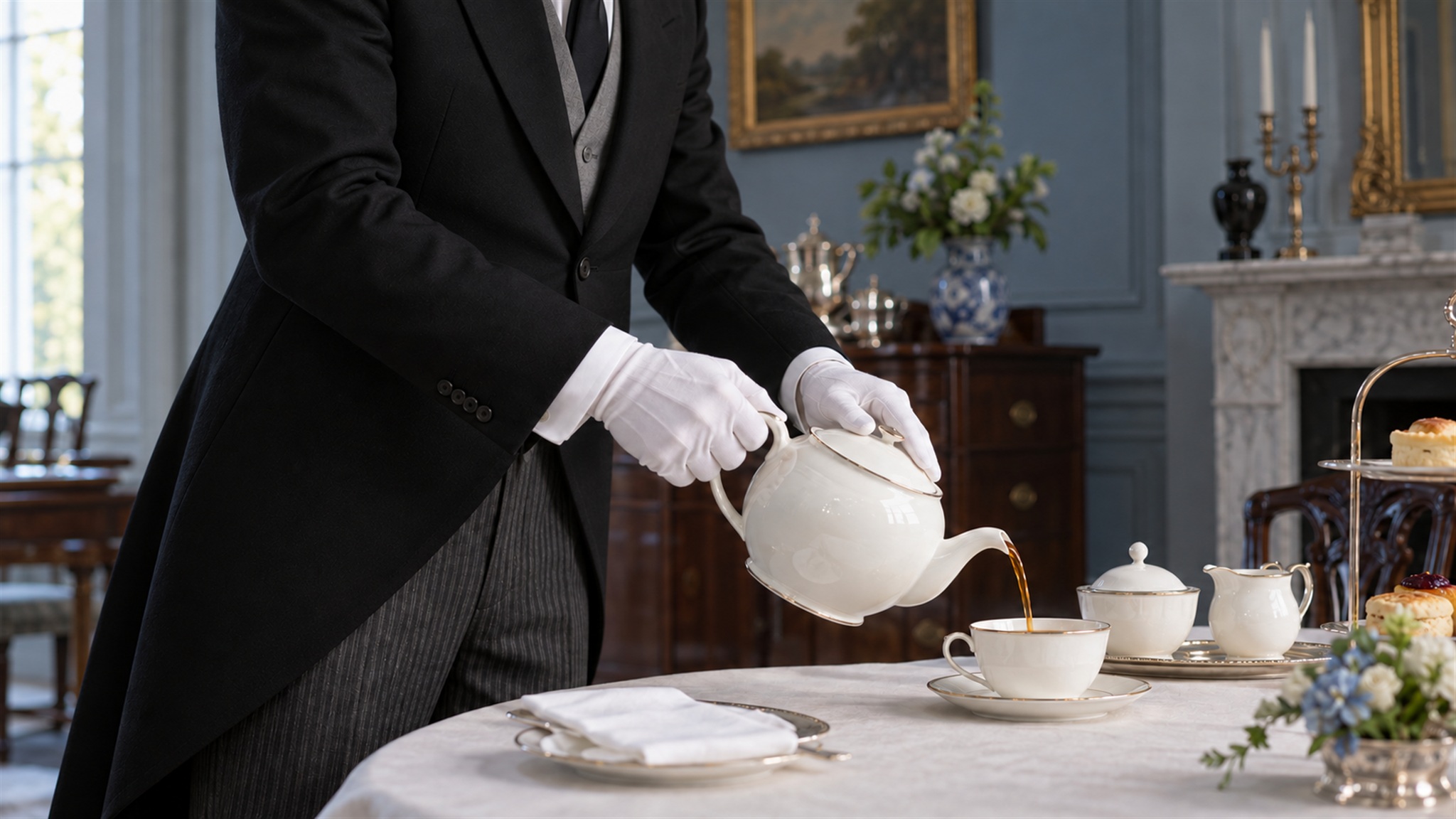
Chapter 2 examines physical bearing. Its subjects include pouring tea, serving wine, escorting a guest or employer on arrival, and even the technique of carrying someone in one's arms.
Learning service
Service is built from a sequence of details: how much to pour, in what order, and where to place each item. During practice, focusing on whether the guest can remain absorbed in conversation, rather than on the procedure itself, helps the movements become naturally discreet.
Learning to escort
The basis of escorting is to match the other person's walking pace and move one step ahead at a door or change in level. This conduct applies in hospitality settings and when guiding a senior guest.
Learning to care for tools
The latter part covers care of silverware and shoes. Graceful conduct depends upon properly maintained tools. The material shows that etiquette includes preparation before appearing in front of others.
Chapter 3: The Culture a Butler Should Know / A Gentleman's Culture

Chapter 3 explores the culture of the British gentlemen whom butlers have served. Its subjects include whisky, cocktails and other drinks; literature and music; chess; writing instruments; tobacco; and the interiors of aristocratic country houses.
Why culture matters
Cultural knowledge helps a butler choose suitable conduct. Knowledge of a drink informs the choice of glass, while understanding the background to a conversation makes clear where to stand without intruding. Through examples from British life, the chapter shows the value of learning both the form of etiquette and the knowledge needed to choose that form.
Chapter 4: Ways to Enjoy the World of Butlers / Enjoying the World of Butlers
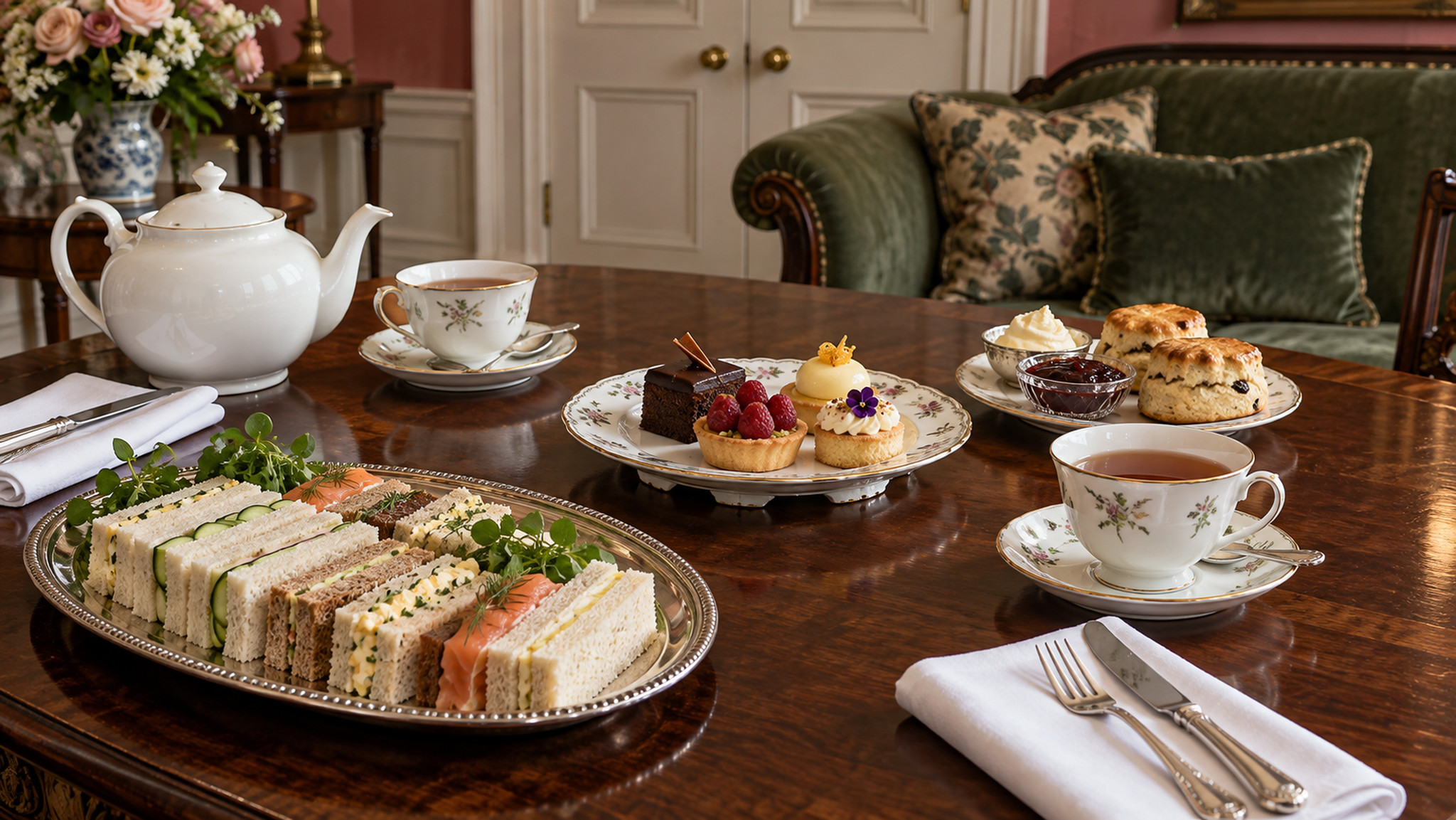
Chapter 4 connects study with experience. As a continuation of the learning, it includes a guide to places in Japan where readers can experience butler culture and to works in which butlers appear. Conduct becomes familiar through seeing it in practice. The chapter serves as a guide for revisiting what has been read in real settings.
Butler Café Swallowtail pages and bonus
The closing pages include a depiction of Butler Café Swallowtail's menu shaped to the world of the book, along with a message from Iori, one of the café's butlers. A two-dimensional code at the end also provides a wallpaper featuring the café's logo.